
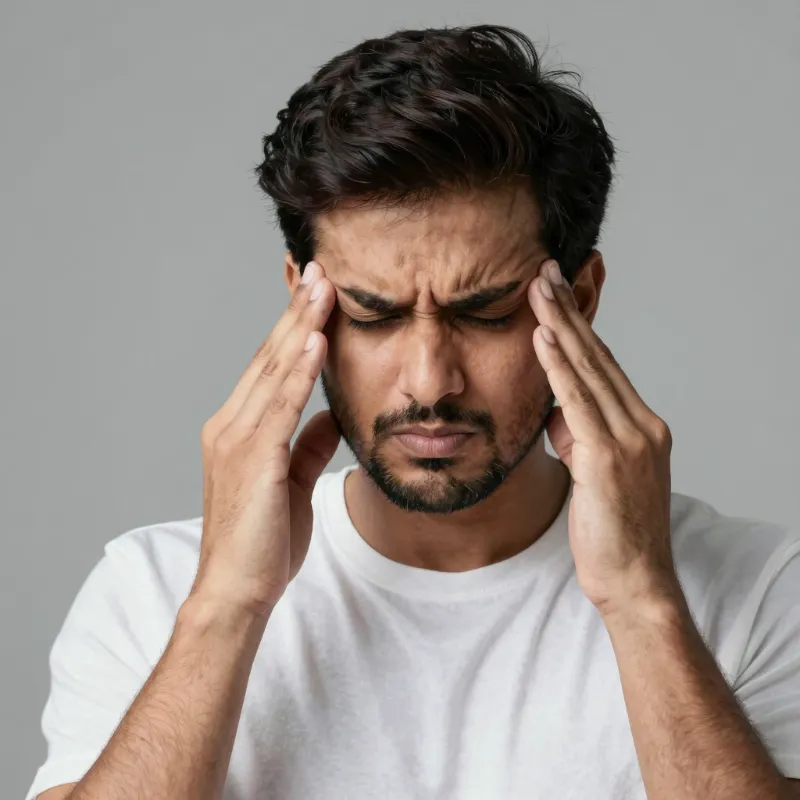
Migraine is more than just a common headache. It is a neurological condition that can severely affect daily life, work performance, sleep, and emotional well-being. Many people experience intense throbbing pain, sensitivity to light, nausea, and repeated headache episodes that interfere with normal activities.
If you frequently suffer from severe headaches or migraine attacks, timely diagnosis and expert neurological care are essential. Dr. Asheesh Kumar Gupta, an experienced Neurosurgeon in Kanpur, offers comprehensive evaluation and advanced migraine treatment to help patients achieve long-term relief and improved quality of life.
What is Migraine?
Migraine is a neurological disorder that causes recurring headaches, usually affecting one side of the head. Migraine pain can range from moderate to severe and may last for hours or even days.
Migraine attacks are often accompanied by symptoms such as nausea, vomiting, dizziness, and sensitivity to light or sound. Some people may also experience visual disturbances before the headache begins, known as “migraine aura.”
Migraine can affect people of all age groups and may become chronic if not properly managed.
Common Symptoms of Migraine
Migraine symptoms can vary from person to person. Common signs include:
- Severe throbbing headache
- Pain on one side of the head
- Sensitivity to light and sound
- Nausea and vomiting
- Blurred vision
- Dizziness
- Neck stiffness
- Fatigue and weakness
- Difficulty concentrating
Some patients may notice warning signs before the migraine starts, including:
- Flashing lights
- Temporary vision loss
- Tingling sensation in hands or face
- Difficulty speaking
If headaches become frequent or severe, neurological evaluation is important to rule out other brain-related conditions.
Causes and Triggers of Migraine
The exact cause of migraine is not fully understood, but several factors can trigger migraine attacks.
Common Migraine Triggers Include:
- Stress and anxiety
- Lack of sleep
- Hormonal changes
- Excessive screen exposure
- Loud noise or bright lights
- Irregular meals
- Dehydration
- Certain foods and beverages
- Weather changes
- Excessive caffeine intake
Identifying and avoiding triggers can help reduce the frequency of migraine episodes.
When Should You Consult a Neurosurgeon for Migraine?
Occasional headaches are common, but frequent or severe migraines should never be ignored.
You should consult a neurosurgeon or neurological specialist if you experience:
- Repeated migraine attacks
- Severe headache with vomiting
- Sudden unbearable headache
- Headache associated with weakness or numbness
- Vision disturbances
- Difficulty speaking
- Headache after head injury
- Chronic headaches affecting daily life
- Headaches not improving with medication
Advanced neurological evaluation may be required to identify underlying causes and prevent complications.
Diagnosis of Migraine
Accurate diagnosis is important for effective migraine treatment. Dr. Asheesh Kumar Gupta performs detailed neurological assessment to understand the pattern, intensity, and triggers of headache episodes.
Diagnostic Evaluation May Include:
- Detailed medical history
- Neurological examination
- MRI Brain
- CT Scan
- Blood investigations
- Assessment of associated neurological symptoms
These investigations help rule out serious neurological conditions such as brain tumors, stroke, or other structural abnormalities.
Advanced Migraine Treatment in Kanpur
Migraine treatment depends on the severity, frequency, and underlying causes of headaches. The primary goal is to reduce pain, prevent future attacks, and improve quality of life.
1. Medication Management
Medicines may be prescribed to:
- Relieve acute migraine pain
- Reduce inflammation
- Prevent recurrent migraine episodes
- Control nausea and vomiting
2. Lifestyle & Trigger Management
Patients are guided to identify migraine triggers and make lifestyle modifications such as:
- Maintaining regular sleep patterns
- Managing stress
- Staying hydrated
- Following a balanced diet
- Limiting screen time
- Avoiding trigger foods
3. Neurological Monitoring
Patients with chronic or severe migraine may require regular neurological follow-up for long-term symptom control.
4. Advanced Neurosurgical Evaluation
In rare cases where headaches are associated with neurological abnormalities, advanced evaluation and specialized treatment may be recommended.
Tips to Prevent Migraine Attacks
Simple lifestyle changes can significantly help in preventing migraines.
Helpful Prevention Tips:
- Sleep on time daily
- Avoid skipping meals
- Drink enough water
- Reduce stress through relaxation techniques
- Exercise regularly
- Limit caffeine and processed foods
- Avoid prolonged screen exposure
- Maintain proper posture
Early management of migraine can reduce both frequency and intensity of attacks.
Why Choose Dr. Asheesh Kumar Gupta for Migraine Treatment in Kanpur?
Dr. Asheesh Kumar Gupta provides patient-focused neurological care with emphasis on accurate diagnosis and long-term headache management.
Key Highlights:
- Experienced Neurosurgeon in Kanpur
- Advanced Neurological Evaluation
- Personalized Migraine Treatment Plans
- Comprehensive Brain & Nerve Care
- Focus on Long-Term Relief
- Modern Diagnostic Support
Patients receive complete guidance regarding treatment, lifestyle modifications, and preventive care for better neurological health.